Earth Pulse Weekly: Baner's Air, Birds & Weather | 25 May 2026 – 31 May 2026
Healthy week for Baner
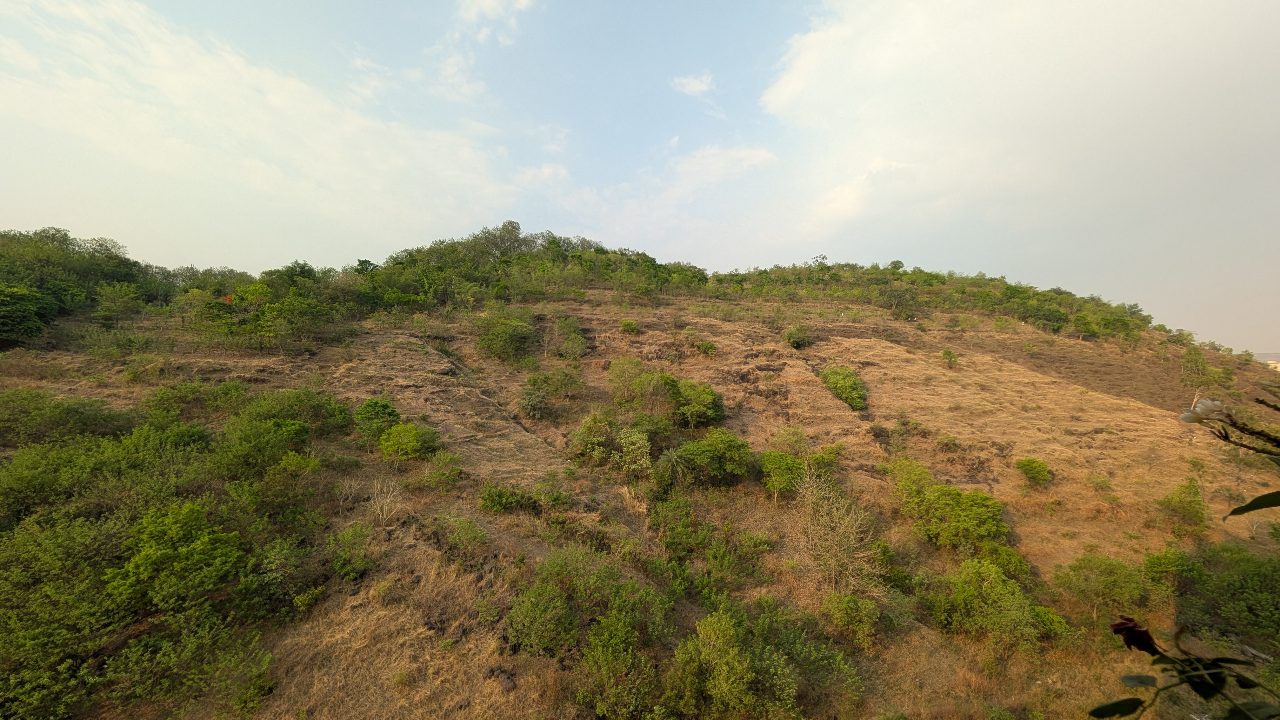
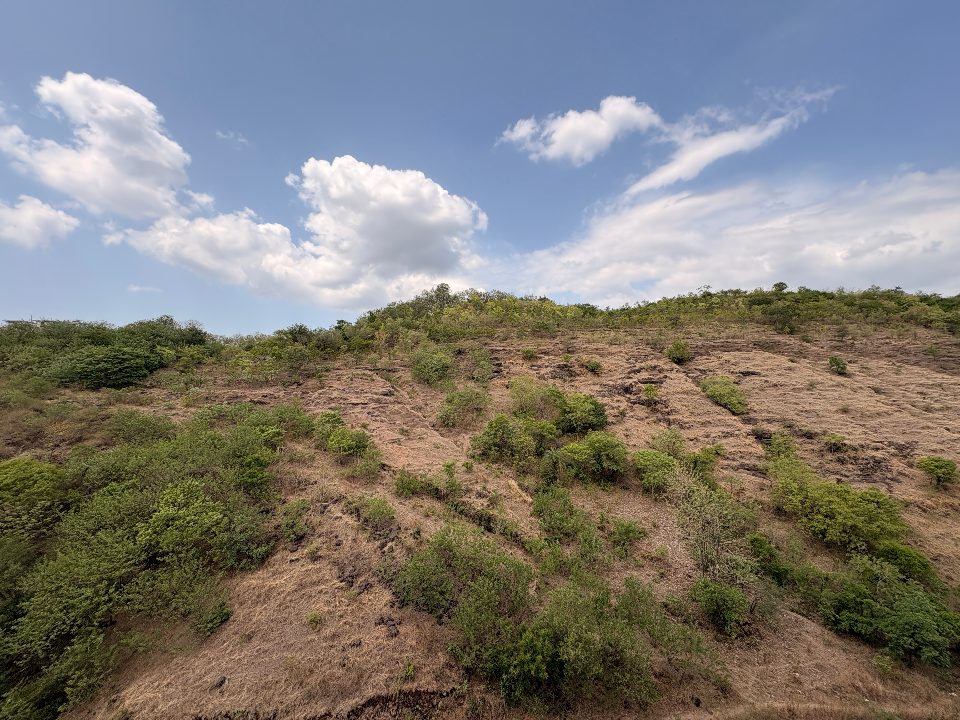
This past week, the Sahyadri foothills around Baner breathed a sigh of warm, dry air, our Pulse Score holding strong at a healthy 87. While the mercury climbed to a sweltering 38.07°C, our air quality remained remarkably clean, averaging an AQI of 26.5 with a staggering 93% of hours in the 'Good' range – a stark contrast to last year's average of 37.6. The absence of rain, though echoing the historical norm of 3.3mm for this period (compared to our 0mm this week), meant the dry heat was undeniable, yet the ecosystem seemed to adapt. The prolific calls of the Asian Koel, a staggering 4012 detections and a 49% surge from the previous week, dominated our soundscape, hinting at the subtle shifts in their breeding cycles driven by the lingering warmth.
🔄 Compared to Last Week
How did this week (2026-05-25 – 2026-05-31) differ from the week before?
🌿 Ecological Signals This Week
What do the numbers imply about life on Baner Hill? Sensor data interpreted through an ecological lens.
💨 Air Quality — Baner, Pune
🌡️ Temperature & Rain — Baner, Pune
Monsoon & rainfall history → · Temperature history →
🕰️ Historical Pulse: Week 22 in Context (1980–2021)
ERA5 ⓘ is a global atmospheric reanalysis that reconstructs daily weather back to 1940. Earth Pulse uses 42 years of ERA5 data (1980–2021) for Baner Hill — giving local context that raw sensor data, which only began in 2022, cannot provide on its own.
ERA5 is a climate reanalysis product — model-derived, not direct sensor measurement. Valid for long-term trend analysis. Explore 45 years of Baner climate →
🐦 Birds of the Week — Baner Hill
📊 Species Momentum — Baner Hill
How did each species trend compared to last week? ↑ more calls this week · ↓ fewer calls · → stable.
🆕 New to the Neighbourhood
🌳 Tree of the Week — Baner Hill
One of the trees growing on Baner Hill, identified by the Earth Pulse plant monitoring network.
🎵 Soundscape Health — Baner Hill South
Acoustic ecology from baner_south_01 — continuous soundscape monitoring facing Baner Hill. NDSI (Natural Sound Index) measures the balance of biophony (birds, insects, wind) vs anthrophony (traffic, construction, human noise). Higher = healthier soundscape.
Monitored by baner_south_01 — Raspberry Pi 3B facing Baner Hill, recording 60 seconds every 30 minutes. NDSI computed using the soundecology methodology.
✨ Moments That Mattered
📅 Same Week — Last 4 Years in Baner
Comparing the same dates (2026-05-25 to 2026-05-31) in previous years — all data from Earth Pulse sensor monitoring at Baner Hill.
- AQI averaged 40.9 — this week was 14.4 pts cleaner ↓
- Temperature averaged 27.2°C — this week was 3.2° warmer
- Typical rain was 34mm — this week had 0mm
Monitoring Baner since 2022 — patterns invisible to daily observation become clear over time. View full climate history →
📲 Screenshot & Share
Screenshot any card below to share on WhatsApp, Instagram, or Twitter.
🔮 The Week Ahead — Baner, Pune
Looking forward, the forecast promises a welcome shift: a return of the monsoon's kiss with an estimated 17.2mm of rain and a high probability of showers. This atmospheric moisture is crucial, often translating to improved air quality and a gentler embrace for our flora and fauna. We anticipate a change in birding behavior; while the heat often prompts earlier dawn choruses, the coming rains may scatter detections throughout the day. Keep an eye out for the newly arrived Spot-breasted Fantail, Indian Scimitar-Babbler, and Alexandrine Parakeet, who have graced our sensors with their presence, while we bid a temporary farewell to the White-throated Kingfisher, Eurasian Curlew, and Peregrine Falcon.
Explore Earth Pulse
🌿 Get weekly reports in your inbox
One email every Monday morning. Baner's pulse, delivered.
No spam. Unsubscribe anytime.
Frequently Asked Questions
What was the AQI in Baner, Pune this week?
EU AQI in Baner ranged from 13 to 47 this week (2026-05-25 to 2026-05-31), averaging 26.5. Values below 40 are "Good", above 100 are unhealthy. See full AQI history →
Which birds were detected on Baner Hill this week?
Earth Pulse detected 85 bird species at Baner Hill this week using BirdNET acoustic AI — 7822 total calls logged. Standout species: Ashy Prinia. See all species →
What was the temperature in Baner, Pune this week?
Temperatures in Baner ranged from 25.49°C to 38.07°C this week, averaging 30.4°C. See temperature history →
How unusual was this week's weather compared to historical records in Baner?
Earth Pulse holds 42 years of ERA5 climate reanalysis data for Baner Hill (1980–2021). This week's average temperature of 30.4°C compares to a historical norm of 27.2°C for this period. Explore 45-year climate →
How does this week compare to previous years in Baner?
Earth Pulse has monitored Baner since 2022. For the same week in previous years: 2025: AQI avg 37.6, temp avg 25.3°C, rain 135.1mm · 2024: AQI avg 42.9, temp avg 28°C, rain 0.1mm · 2023: AQI avg 42.2, temp avg 28.1°C, rain 0.6mm · 2022: AQI avg —, temp avg 27.3°C, rain 0.3mm. Full climate history →