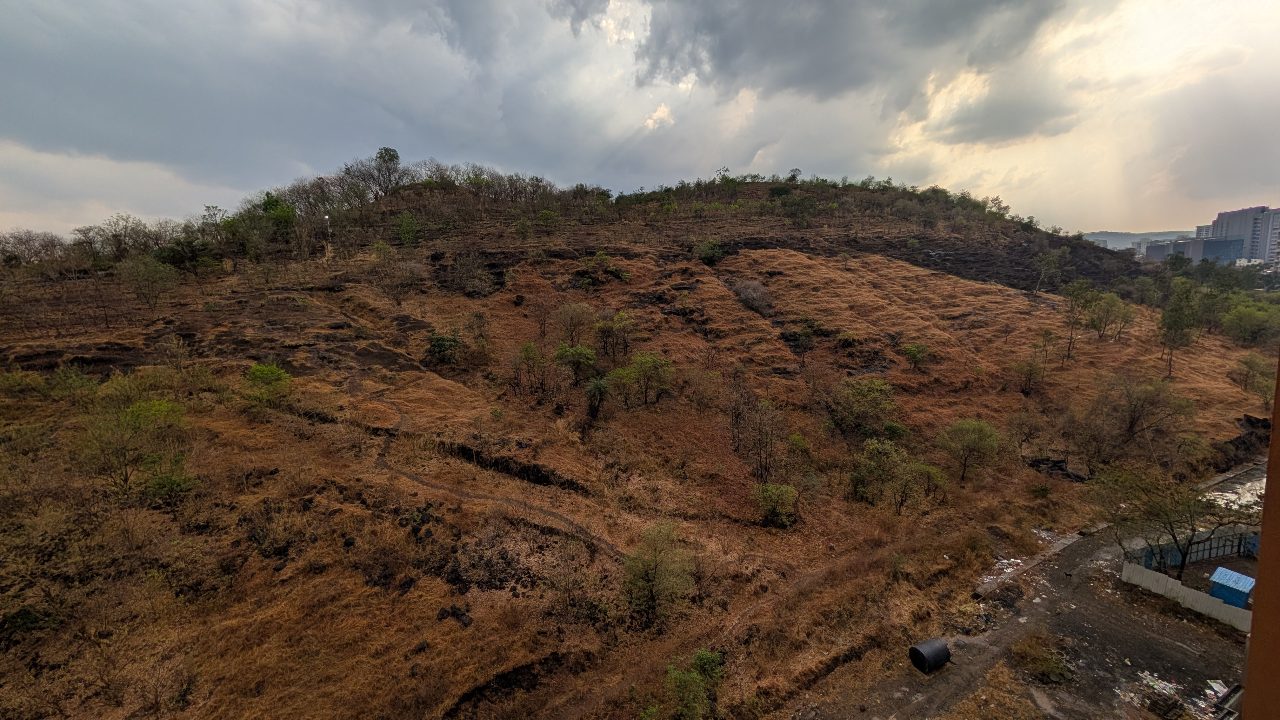
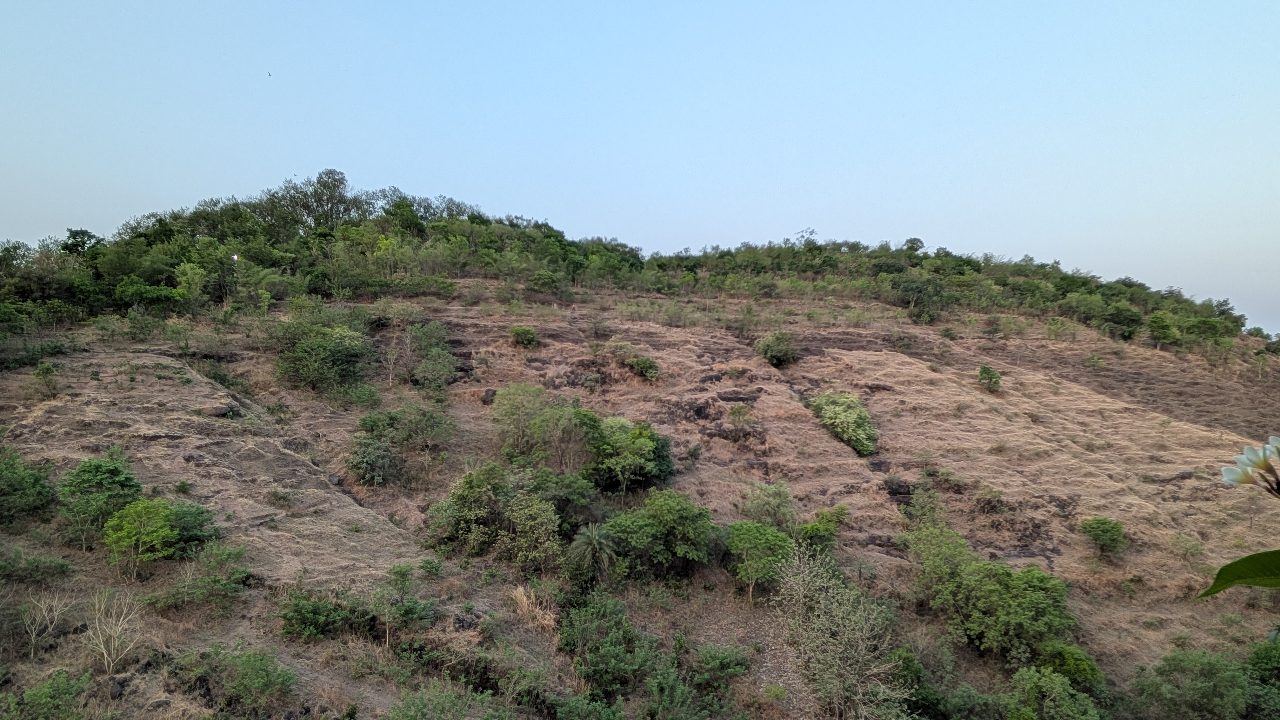
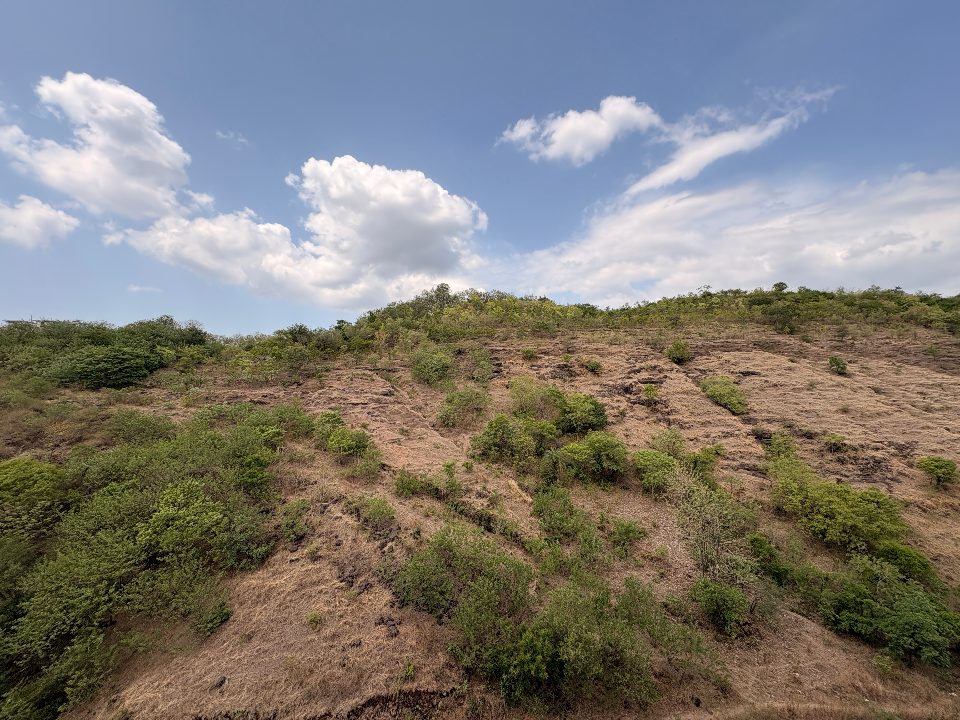
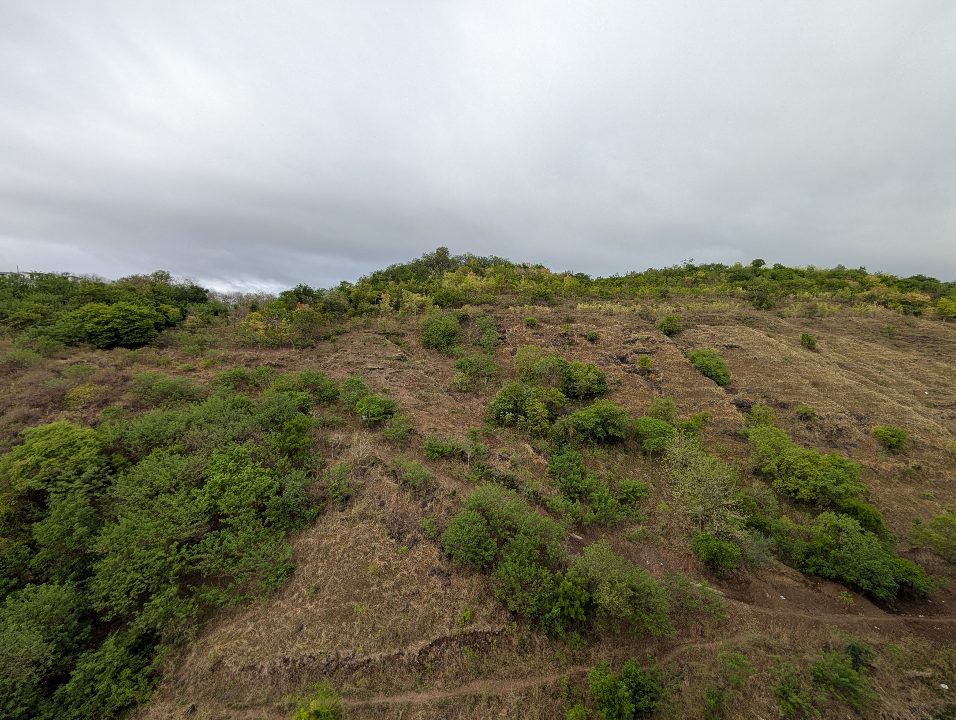
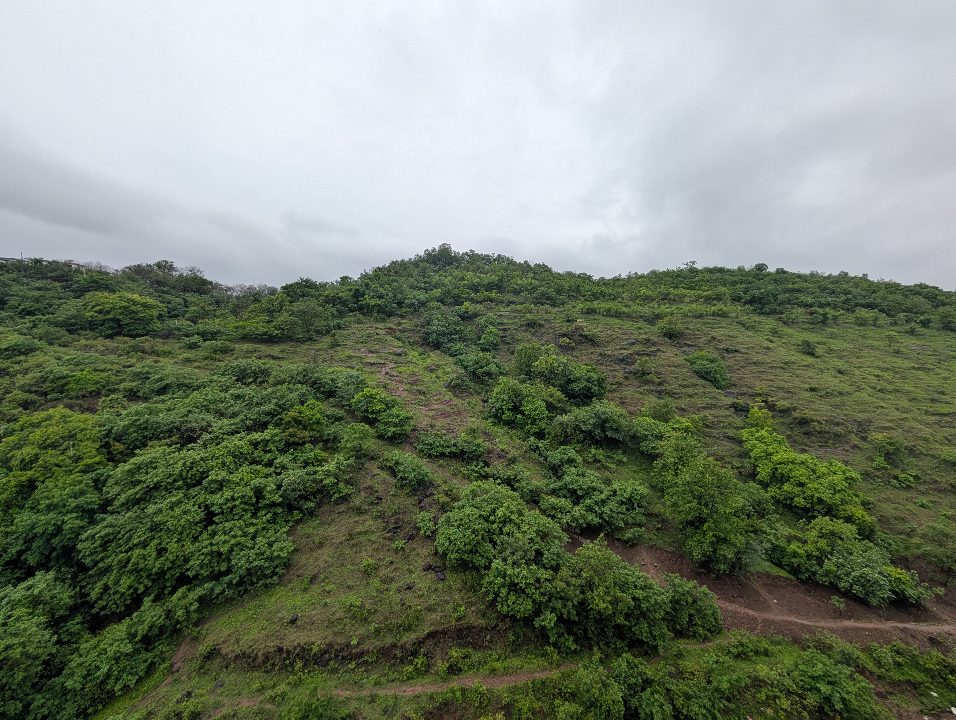
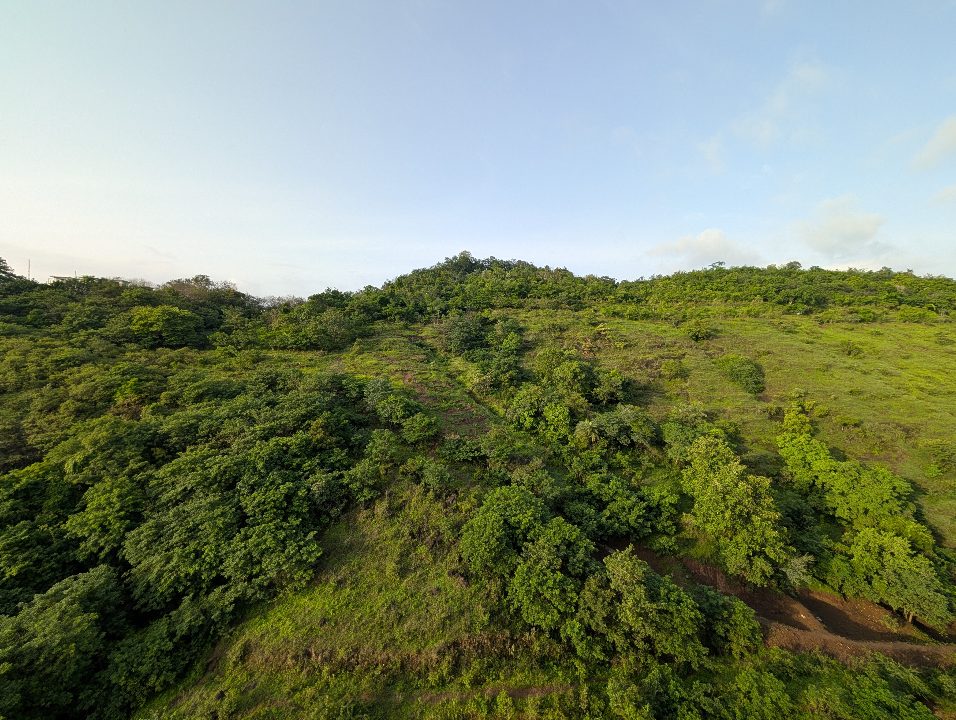
There are mornings when the hill doesn't really need an introduction. It is green everywhere you look. The monsoon has done its work, the grasses and shrubs have taken over the slopes, and the morning air feels so fresh that you find yourself wanting to breathe in as much of it as you possibly can.
Eight of us were back on the hill today. We continued the work that has now become a part of our weekends. There were still a few trenches waiting for their new residents, along with some planting pits that had been prepared earlier in the season. So we got to work. By the end of the morning, 9 more trees had been planted:
- 5 Rain Trees
- 4 Mahogany
That takes the total number of trees planted in this patch to 66.
Sixty-six trees.
A number that would have sounded quite ambitious when we first stood here a few weeks ago, looking at the dry, rocky hillside and wondering where to even begin. Today, we can actually see the beginnings of something.
Not a forest. Not yet. But a community coming together every weekend, digging, planting, watering, repairing, discussing and figuring out what needs to happen next. And perhaps one of the nicest parts has been seeing young children becoming part of it. They show up, pick up the tools, get their hands dirty and ask questions.
- Why are we digging here?
- Why do we need a trench?
- Why are the trees planted at this distance?
- Why can't we plant them closer?
- Why this tree?
 These are wonderful questions. They are learning that planting a tree isn't simply about putting a sapling into the ground. There is thought behind where it goes, how much space it gets, how water reaches it and how we help it survive. And they get to see the results of their own efforts. That's something a classroom cannot quite replicate.
As we crossed the 60-tree mark, our conversations also began moving towards the next question.
Where do we go from here?
This patch is slowly transforming, but Baner Hill is much larger than the little area we have been working on. There are other barren and degraded sections that will need attention too. We don't have all the answers yet. But we have learnt to take one step at a time. There is something deeply satisfying about this work because, at the end of it, there is no immediate reward waiting for us. No one is paying us. No one is giving us a prize. We simply show up, put in the work and leave the hill a little better than we found it. We do, and expect nothing in return. Perhaps that is the most beautiful part of it.
We are simply making it a little easier for Nature to work her magic. 🌿
Satellite NDVI timelapse — 5 years × 6 same-month snapshots — will appear here, powered by Planet Labs imagery, showing how Baner Hill's vegetation has changed season by season.