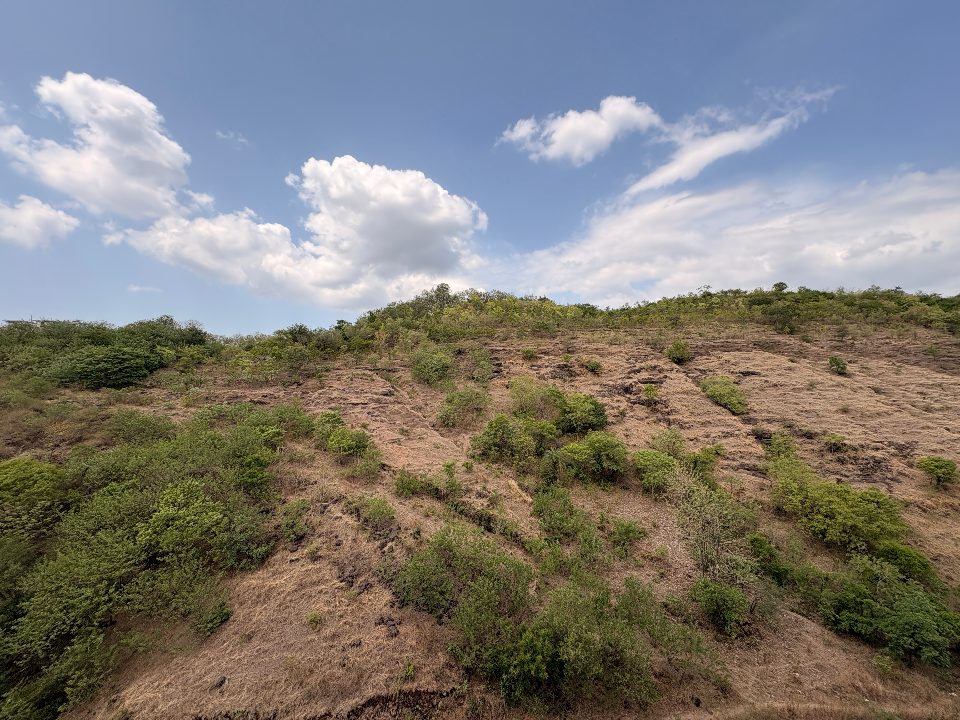
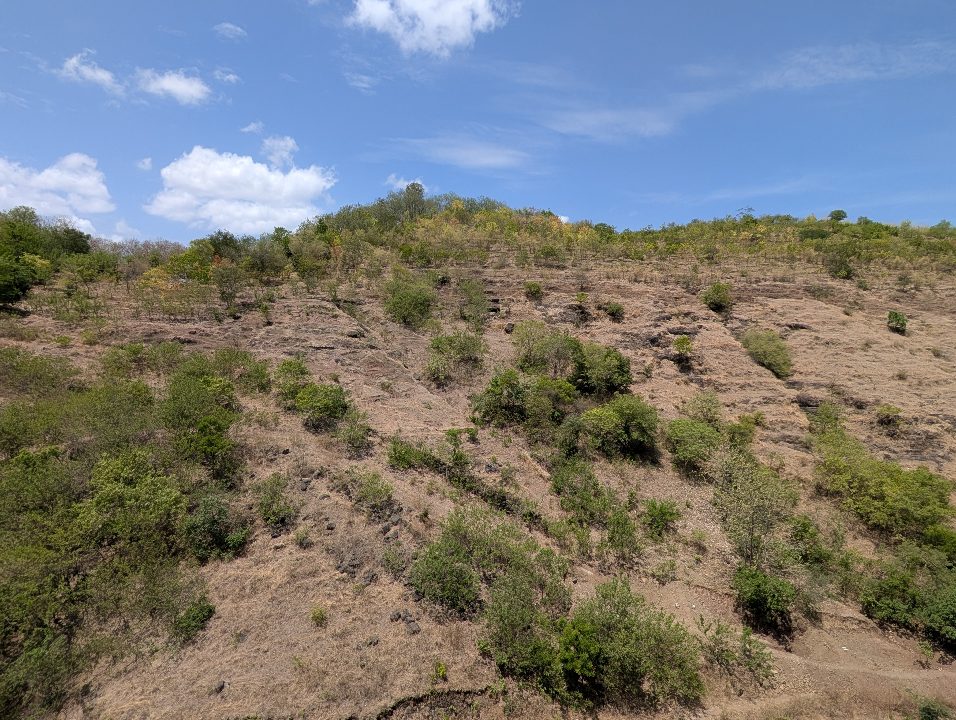
Some mornings on the hill are about creating something new.Others are about taking care of what already exists.
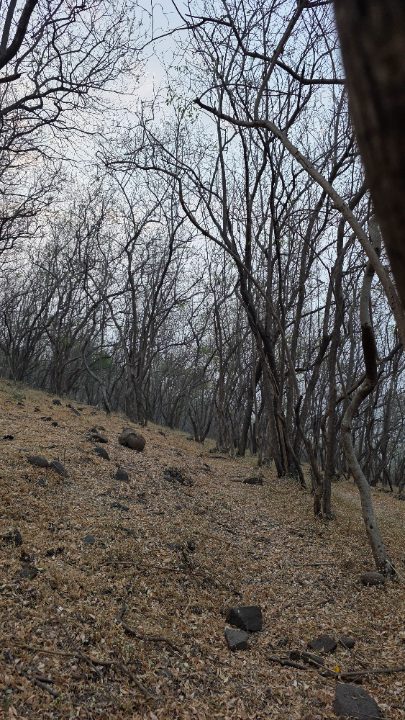
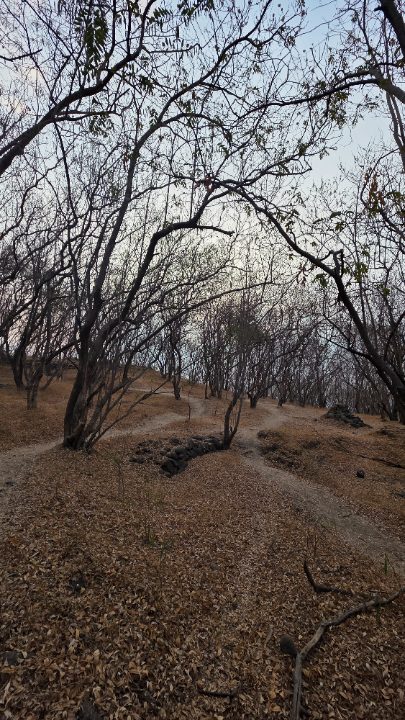
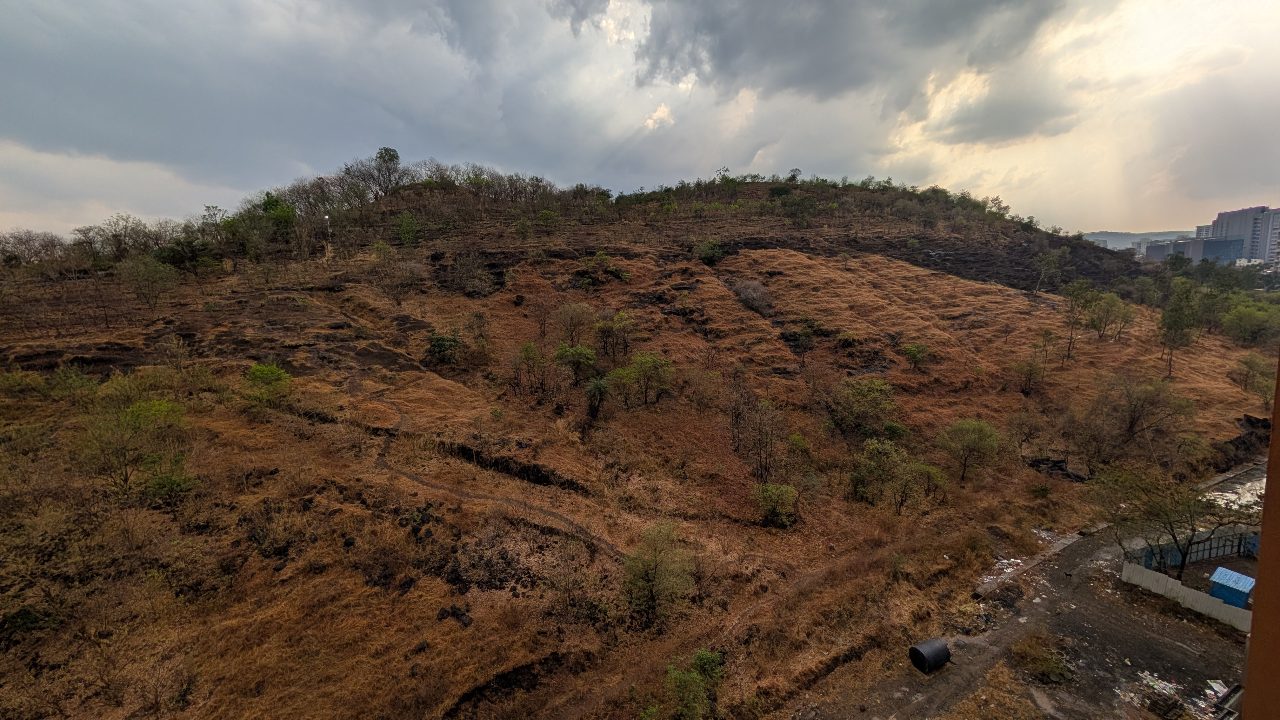
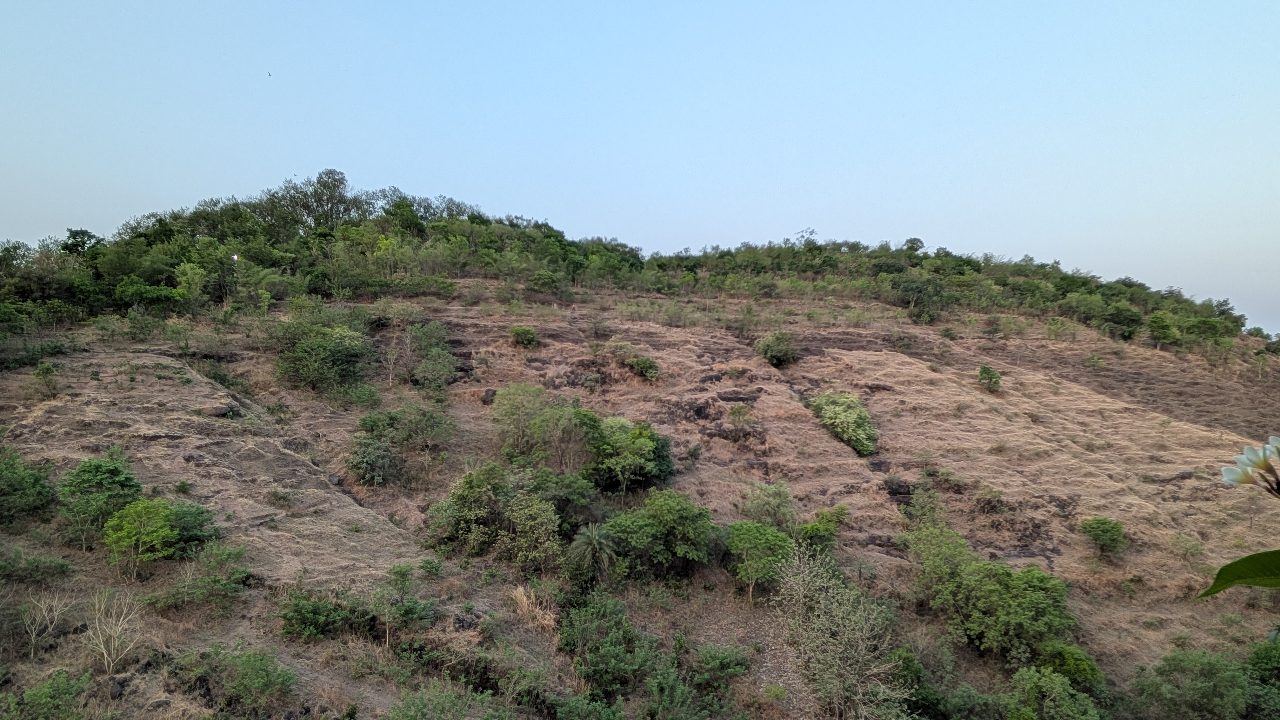
This morning, four of us gathered just after sunrise and spent the next two hours reviving work that had slowly been reclaimed by nature. Together, we revived four old contour trenches and dug one new trench, preparing them to capture the coming monsoon rains.
The work itself was simple. Dig. Clear. Shape. Repeat.

But every visit to the hill teaches us something new. One lesson becoming clearer with every activity is that restoration isn't measured only by the number of new trenches or trees. Looking after what has already been created is equally important. A neglected trench slowly loses its ability to hold rainwater. A revived trench gets another chance to slow runoff, reduce soil erosion and allow more water to soak into the ground.
As we worked, the conversations naturally shifted towards what comes next. One of the biggest challenges after planting will be water. We discussed what a long-term solution might look like and realised that if we could eventually install one 10,000-litre storage tank at the base of the hill and another 5,000-litre tank higher up, it would make caring for future plantations far more practical. It's still just an idea, but every restoration project starts with conversations like these before they become reality.
Today's session also marked another small milestone for our group.
Until now, we had been borrowing tools. This morning, we finally brought along our own set of digging tools. It may not sound like much, but having our own equipment makes the effort feel a little more permanent, a little more committed.

There was another lesson we learnt the hard way. After several weekends of digging through rocky ground, many of us had developed painful blisters and bumps just below our fingers. It was enough to convince us that enthusiasm alone isn't always sufficient. Good equipment matters too. So, alongside the tools, we invested in high-quality work gloves, hoping that future mornings will leave us with tired muscles instead of sore hands. These may seem like small purchases, but they represent something bigger.

Slowly, we're building not just trenches, but a team. Every tool, every pair of gloves and every early morning on the hill is another sign that this is becoming a long-term effort rather than a one-time activity.
The work may appear modest when viewed one Saturday at a time.
One new trench.
Four old trenches revived.
Four volunteers.
Two hours.
But forests are rarely created through grand gestures. They grow through small, consistent acts repeated over many seasons. That's exactly what we're hoping to build here.
Satellite NDVI timelapse — 5 years × 6 same-month snapshots — will appear here, powered by Planet Labs imagery, showing how Baner Hill's vegetation has changed season by season.