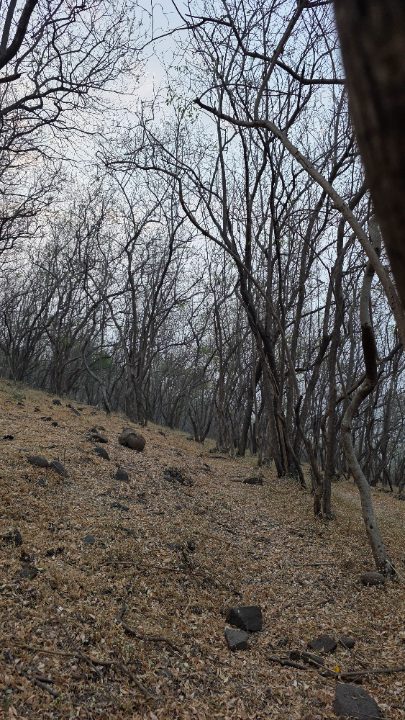
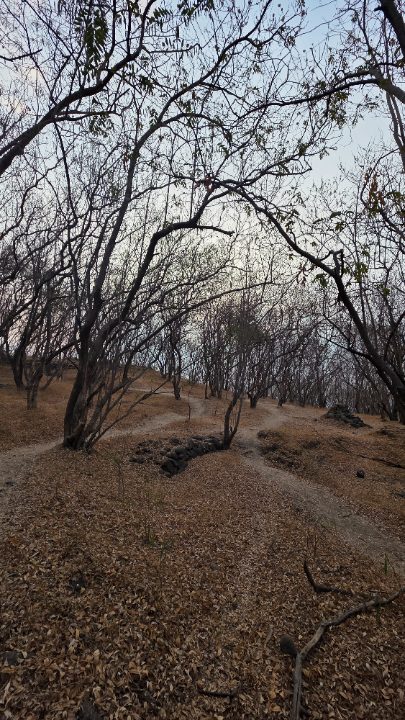
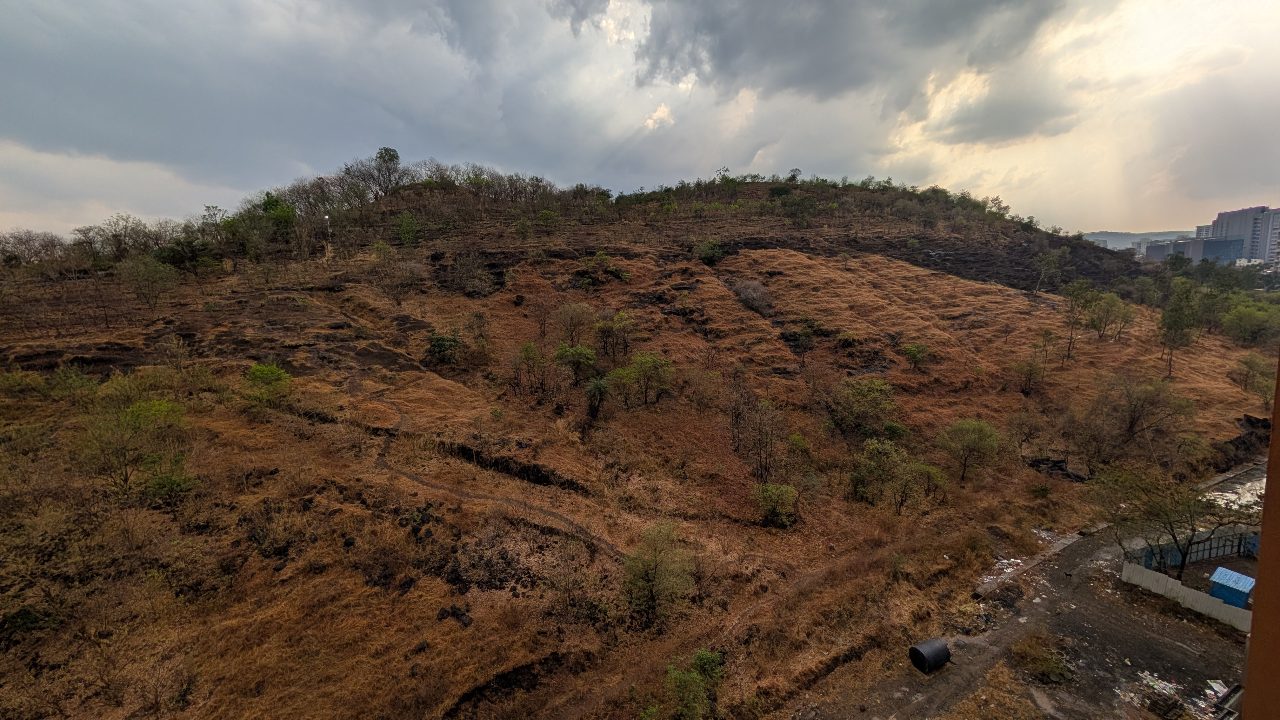
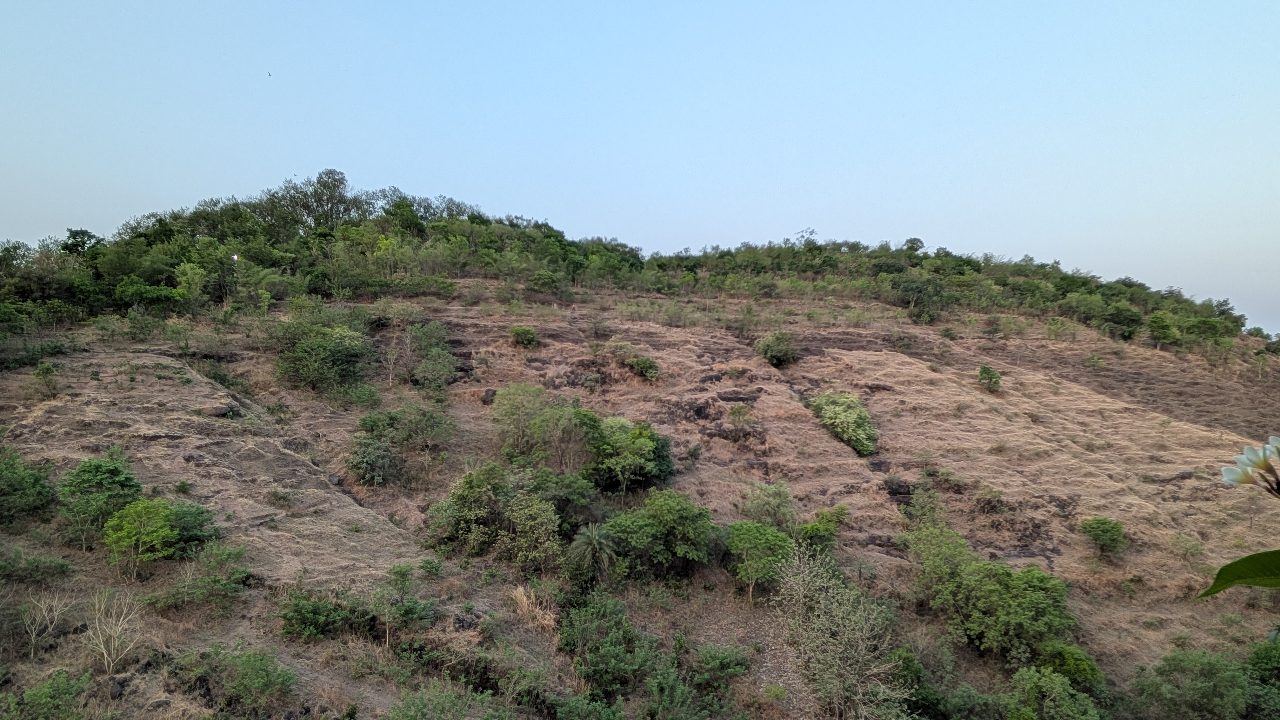
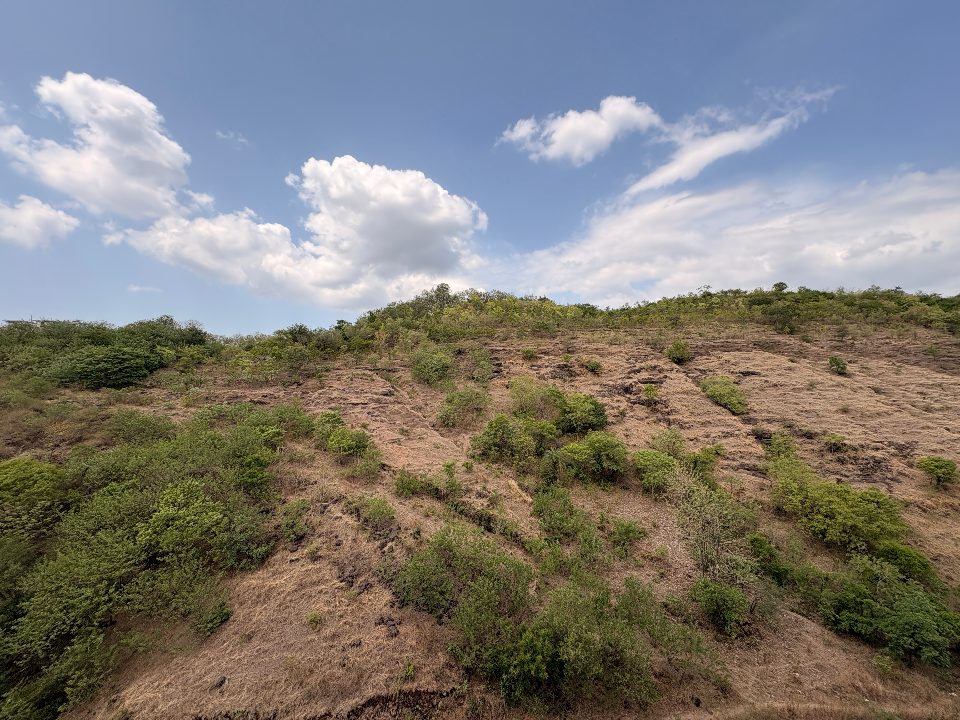
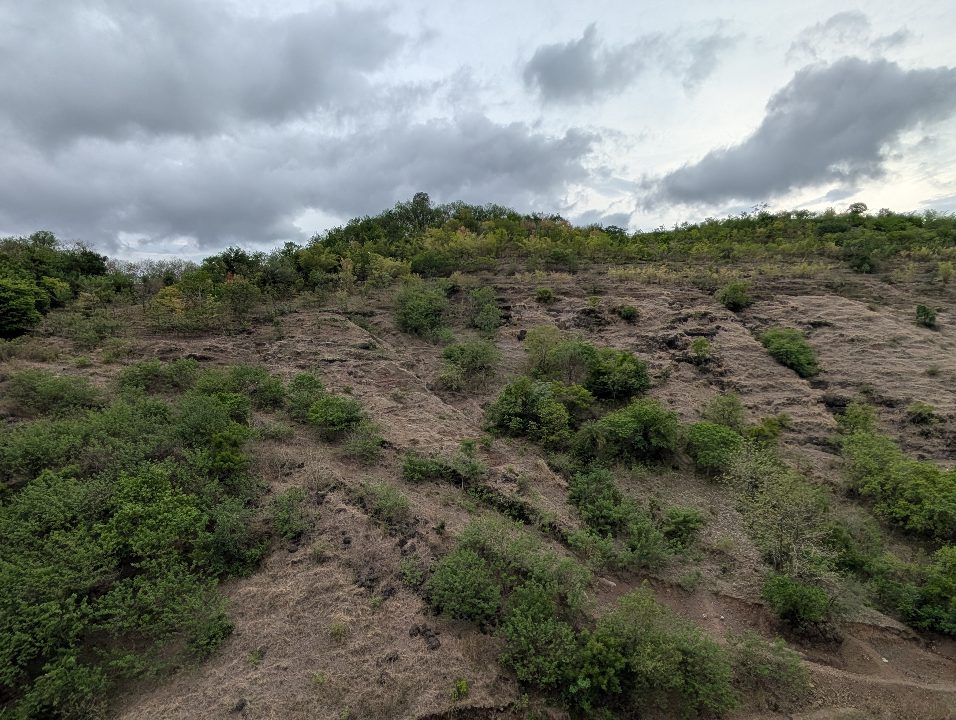
Every weekend, Baner Hill teaches us something new.
Some lessons come from people. Others come from the hill itself.
This morning, seven volunteers gathered to continue preparing the hillside for plantation. By the end of the session, we had dug 21 planting pits and provided additional support to five young trees that were already growing in the area.
The work was physically demanding, but one discovery made every swing of the pickaxe worthwhile.
A Gift From Someone We Never Met
A few years ago, another group of people who cared deeply for this hill had worked in the very area where we're now restoring.
They had dug trenches and, in one of them, had left behind dried leaves, branches and other plant material collected from the hill.
Nature quietly took over.
Over the years, that organic matter slowly transformed into rich, dark, crumbly soil. As we dug one of our pits nearby, we uncovered beautiful natural compost, created entirely by time, rain and countless tiny organisms working beneath the surface.
It was a lovely reminder that every effort on the hill leaves something behind for those who come after.
Conservation is often a relay race rather than a sprint.

The Discovery That Stopped Us Mid-Dig
Then came the moment none of us expected.
While digging one of the pits, our pickaxe struck something unusual.
It wasn't another rock.
Running through the soil was a thick root, almost a centimetre in diameter.
As we traced its direction, we realised something remarkable.
The root appeared to be travelling from the Mother Patch, the small island of mature vegetation that we've been observing over the past few weeks.
For a few moments, everyone stopped digging.
If this root truly belonged to one of the established trees in the Mother Patch, it meant we were far closer to an existing underground ecosystem than we had imagined.
To us, it felt like discovering a hidden highway beneath the hill.

Forests Are More Connected Than They Look
That discovery led to one of the most fascinating conversations we've had so far.
When we think of a forest, we usually notice the trunks, branches and leaves above the ground.
But some of the most important activity happens below our feet.
Many trees form partnerships with mycorrhizal fungi, microscopic organisms that live around and within their roots. In exchange for sugars produced by the tree, these fungi help plants absorb water and nutrients from the soil. Their thread-like filaments, called hyphae, can also connect neighbouring plants, forming underground networks that scientists sometimes refer to as the "wood-wide web."
Interestingly, a landmark study published in Science in 2026 estimated that these underground fungal networks stretch for an astonishing 110 quadrillion kilometres across the Earth's soils, making them one of the largest living networks on the planet. These hidden connections also play an important role in storing carbon and supporting healthy forests.
Rather than existing as isolated individuals competing with one another, forests often function as interconnected communities.
Standing there, looking at that thick root, we couldn't help wondering whether one day the trees we plant will become part of that same underground community.
We may never know exactly when it happens.
But knowing that the possibility exists makes every pit feel even more meaningful.
Caring For Today's Trees
Alongside the digging, we also strengthened five existing saplings by improving the soil around them and giving them better support before the heavier monsoon rains arrive.
Over the past few weeks, we've learnt that restoration isn't only about planting new trees.
It's also about giving the ones already here the best possible chance to survive.
A Documentary Worth Watching
Our discussion naturally drifted towards how forests communicate, support one another and function as living communities.
If you're curious about this fascinating world, there's a wonderful documentary that explores these ideas in an accessible way:
The Hidden Language of Trees: How Forests Secretly Communicate
Inspired by the work of forester Peter Wohlleben and forest ecologist Suzanne Simard, the documentary explores how trees share nutrients, respond to stress, support young saplings and build resilient ecosystems through underground fungal networks.
It offers a beautiful perspective on why forests should be understood not simply as collections of trees, but as interconnected living communities.
If today's conversation intrigued you, it's well worth watching.
As we packed up our tools that morning, it felt as though we had uncovered something far more valuable than a single root.
We had caught a small glimpse of the hidden world beneath our feet.
A reminder that restoring a hill isn't simply about planting trees. It's about understanding the relationships that already exist, learning from them, and helping them grow stronger.
Satellite NDVI timelapse — 5 years × 6 same-month snapshots — will appear here, powered by Planet Labs imagery, showing how Baner Hill's vegetation has changed season by season.