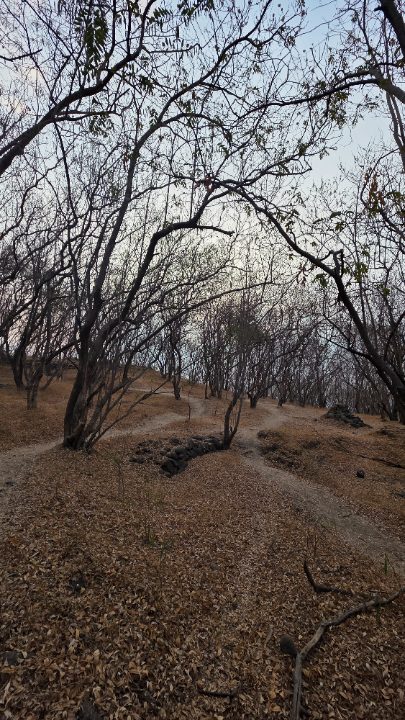
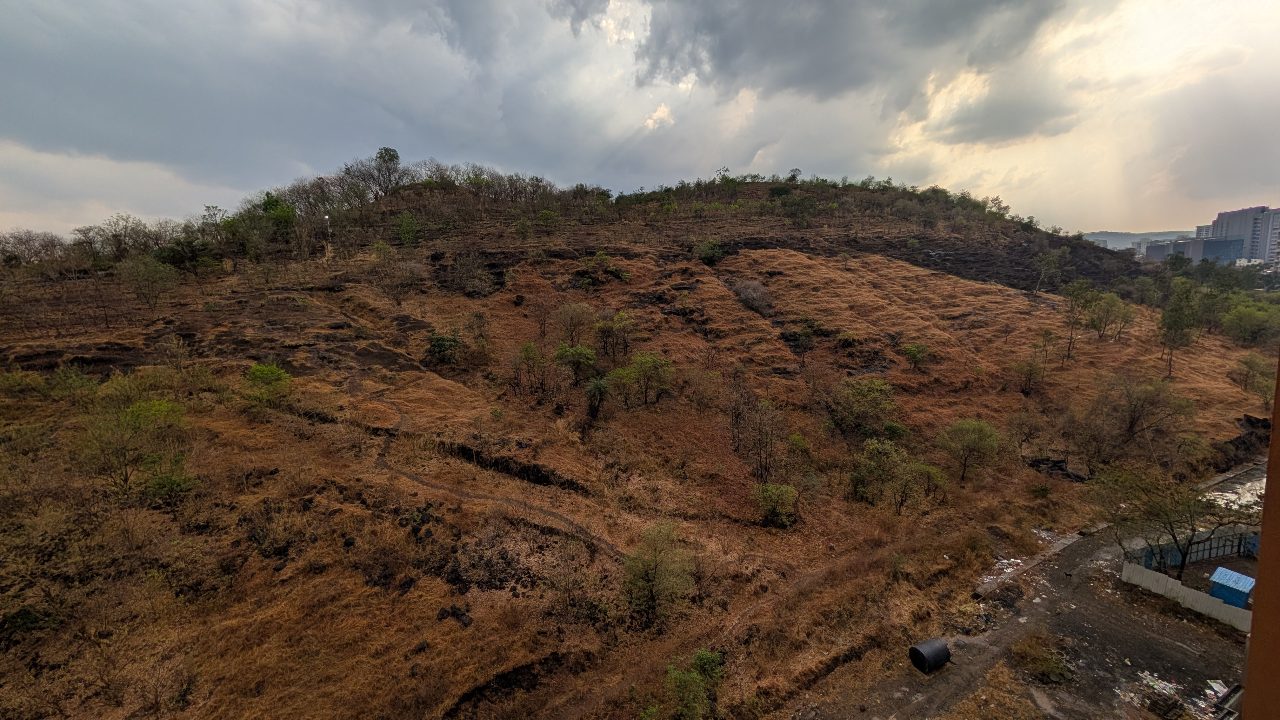
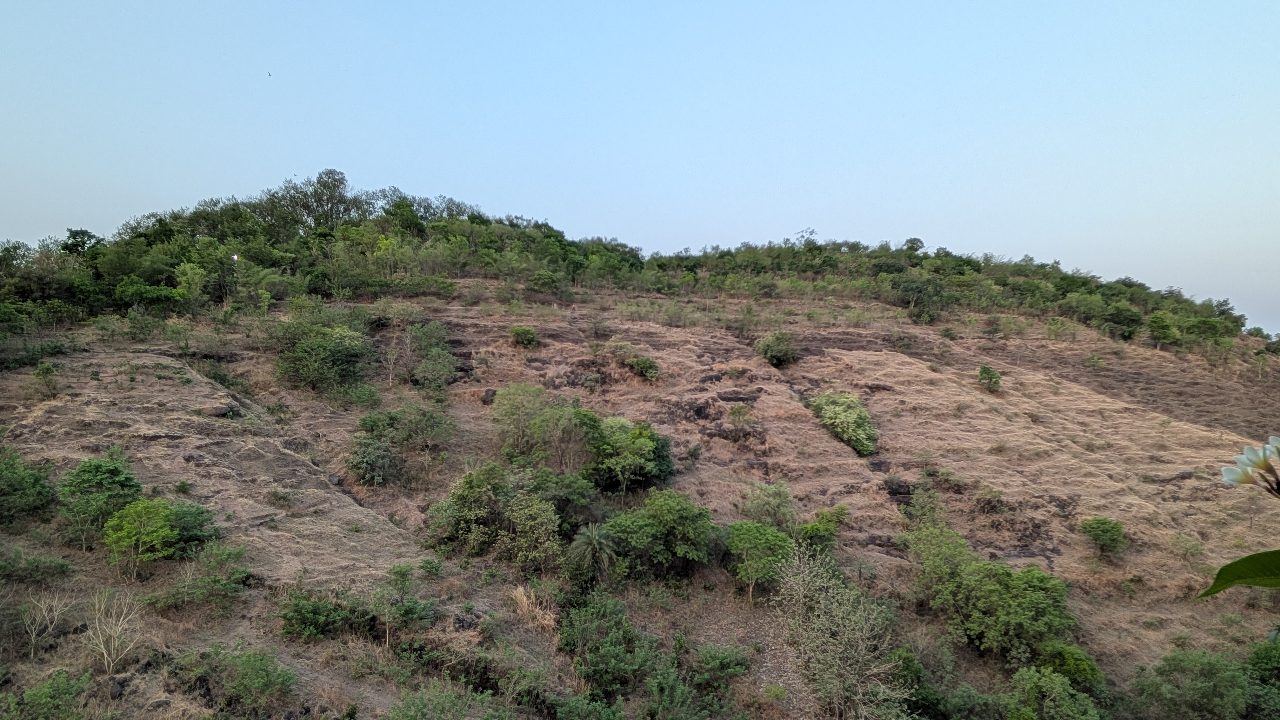
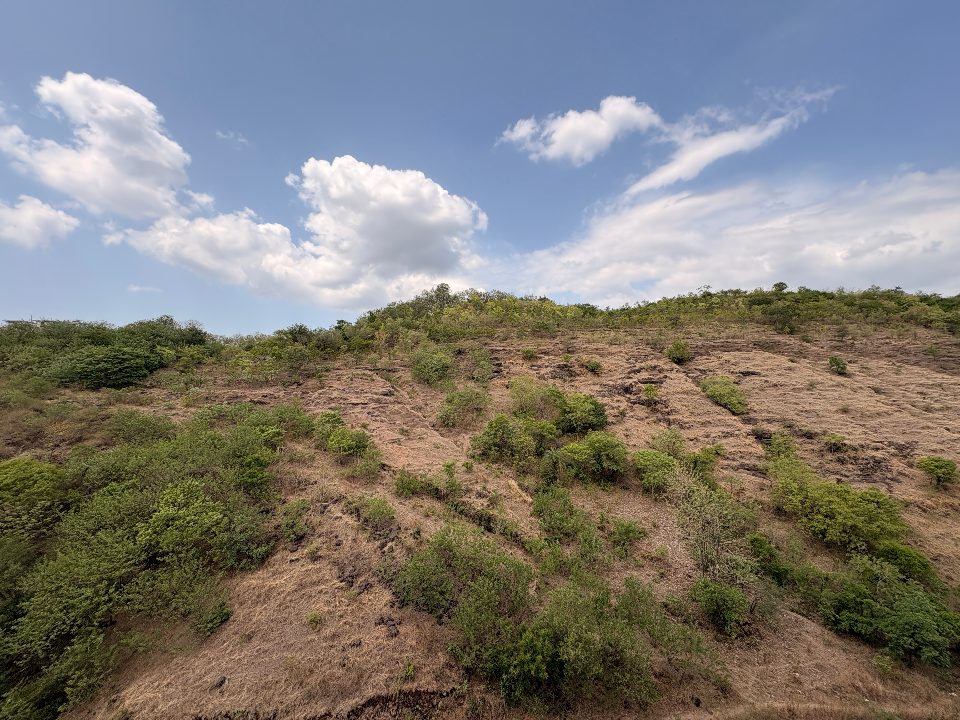
There are some mornings when the work feels lighter.
Not because there is less to do, but because nature decides to lend a helping hand.
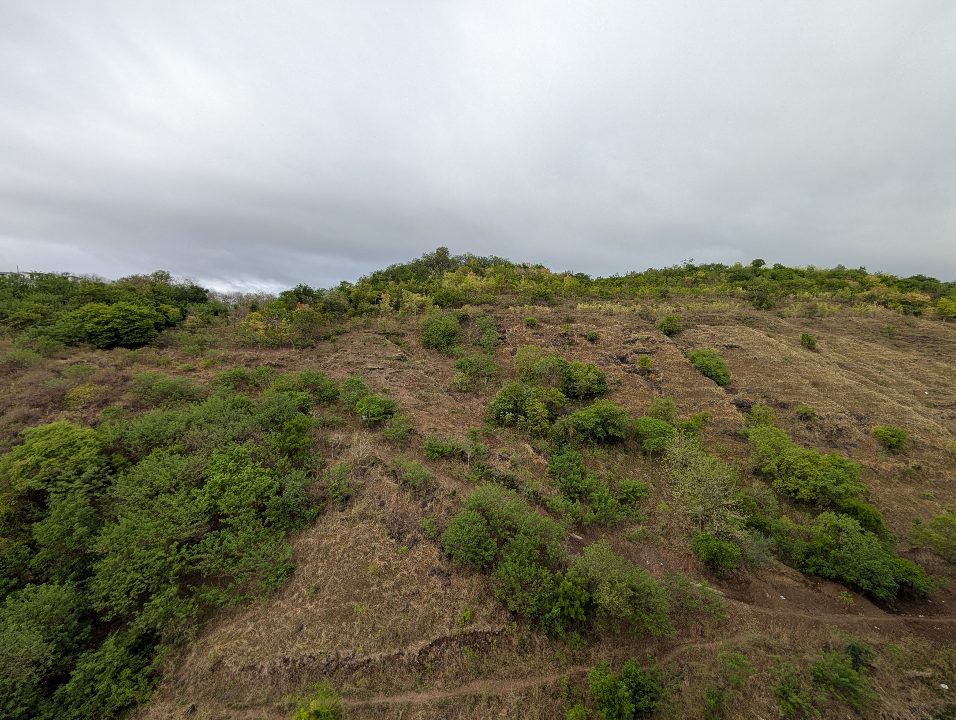
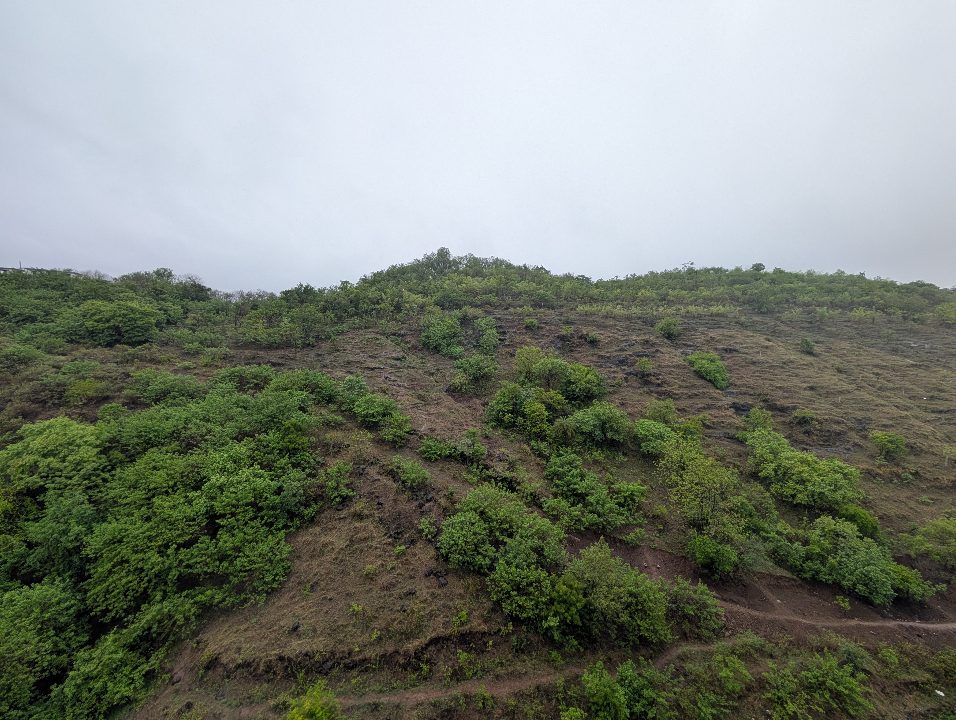
For the first time since we began this restoration journey, we spent the morning digging pits while it was raining.
After weeks of working under the summer sun, swinging pickaxes into dry, stubborn ground, the gentle rain completely changed the experience.
The hill had softened. The soil gave way more easily.
What had felt like back-breaking work just a week ago suddenly became far more manageable.
Sometimes, all the hill needs is a little rain.
Five volunteers gathered early in the morning to continue preparing for the plantation season. Rather than digging new pits, today's focus was on making the existing ones ready to receive saplings.

By the end of the session, we had expanded 22 planting pits, increasing their size from approximately 1 foot by 1 foot to 1.5 feet by 1.5 feet, while maintaining a depth of about 1 foot.
Larger pits give young trees a better start by providing more loose soil for roots to spread, better water retention and additional space for organic matter to gradually enrich the soil over time.
As we worked through the drizzle, it was difficult not to smile.
Only a week ago, every pit demanded tremendous effort as our tools repeatedly struck rock hidden just below the surface. Today, the same hillside seemed almost welcoming.
The rain reminded us that restoration is a partnership. We bring our time, effort and commitment. Nature does the rest.
Satellite NDVI timelapse — 5 years × 6 same-month snapshots — will appear here, powered by Planet Labs imagery, showing how Baner Hill's vegetation has changed season by season.